Technique & basics
Five cooking techniques that improve every recipe
4 min read
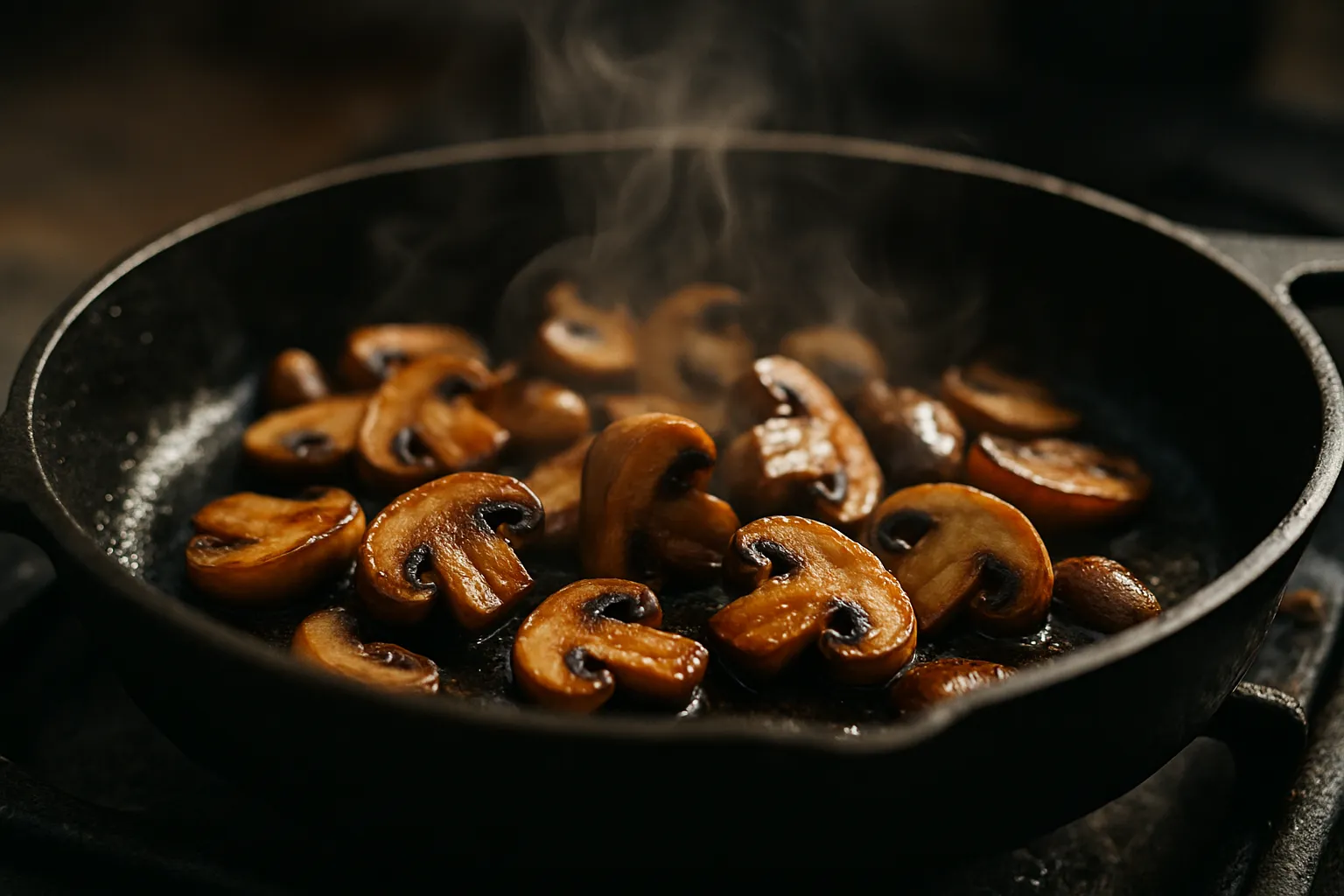
Recipes tell you what to do, rarely why, and almost never what separates a mediocre execution from a good one. The five techniques below appear in virtually every savoury recipe. Master them and you will cook demonstrably better food from the same recipes, and you will start to understand what a recipe is actually asking of you.
1. Really sear, do not steam things grey
Brown is flavour. The brown crust on meat, mushrooms or even cauliflower comes from the Maillard reaction, which needs two things: high temperature and a dry surface. The three mistakes that prevent it are always the same: a pan that is not hot enough yet, ingredients going in wet, and an overcrowded pan where everything cooks in its own steam.
So: pat meat and mushrooms dry, wait until the oil shimmers or just smokes, and cook in batches with space between the pieces. And leave it alone; stirring every twenty seconds interrupts the crust as it forms. The patience of two quiet minutes in the pan is the cheapest flavour enhancer in existence.
2. Salt at the right moments
Salt is not a final step but a series of small decisions throughout the dish. Pasta water should be salted generously (it is your only chance to season the pasta itself), vegetables that need to shed moisture get salted beforehand, meat can be salted well in advance so the salt penetrates, and a sauce is salted in layers: a little while sweating the onions, adjusted at the end.
Why layers? Salt added early penetrates ingredients and makes them tasty from within; salt at the end sits on top. It is the difference between a dish that tastes of something and a dish with a salty surface. Cooks who do this consistently do not end up using more salt, just better-placed salt.
3. Deglazing: the stuck-on bits are the recipe
After searing, a brown film remains on the bottom of the pan. That is not dirt; it is concentrated, roasted flavour. A splash of liquid (wine, stock, even water), a scrape with a wooden spoon, and in thirty seconds you have the base of a sauce that would otherwise take an hour of simmering.
Virtually every stew and every pan sauce revolves around this moment, even when the recipe does not name it. Once you recognise it, you see it everywhere, and you will never again put a pan with good fond straight into the sink.
4. Rest meat, always
Meat carved straight off the heat loses its juices to the cutting board; meat rested for five to ten minutes keeps them. The explanation is simple: heat tightens the fibres and drives the moisture toward the cooler centre. Resting gives the fibres time to relax and the juices time to redistribute.
Rule of thumb: small pieces (chicken breast, chops) five minutes, large cuts and roasts ten or more, loosely covered. The heat "loss" is smaller than you fear; the core actually continues cooking during those minutes. Factor in that carry-over and pull meat off the heat just before its perfect point.
5. Acid as the closing move
Of all the techniques, this one is the least known and the most transformative: nearly every savoury dish improves with a small amount of acid at the end. A squeeze of lemon over the soup, a teaspoon of vinegar through the stew, a little wine vinegar in the lentils. Not enough to taste as "sour", exactly enough to make everything taste brighter.
Why it works: fat and long cooking times make flavours round and heavy; acid cuts through and stands the other flavours upright. Taste a dish that is "done", add a few drops of acid, taste again; the difference is usually immediate. More on this final adjustment in the guide on seasoning.
Practise them one at a time
You do not learn techniques from a list but by applying one deliberately for a week in what you already cook. Take searing seriously for one week, then layering salt for the next. It helps to note briefly in your own recipes which technique made the difference ("fry the mushrooms in two batches!"), so the lesson is stored where you need it: in the recipe itself, not in your memory.